

Everyday tasks like putting on socks can be surprisingly challenging for many people — particularly those with limited mobility, chronic pain, or recovery needs. That’s where a sock donner becomes more than just a convenience tool — it becomes an essential aid that empowers independence and reduces health risks.
In this comprehensive blog post, we’ll explore what a sock donner is, who benefits most from using one, and why it’s a smart addition to both clinical settings and home care routines.
Shop Now: https://physipod.com.au/product/sock-donner/
What Is a Sock Donner?
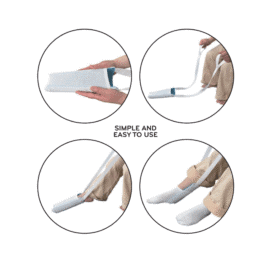
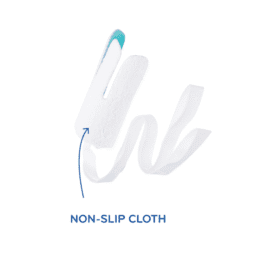
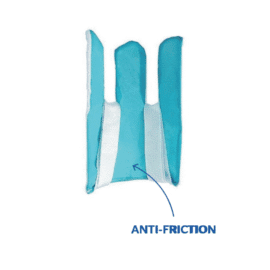
A sock donner (sometimes called a sock aid) is a simple but ingenious assistive device that helps people put on socks with minimal bending, straining, or balance risk. Typically made of a flexible or rigid frame with fabric guiding channels and long handles or straps, a sock donner:
Holds a sock open wide
Guides the sock over the foot
Lets the user pull the sock up without bending over
For many individuals, this small tool can have big benefits — especially when mobility is limited.
Who Can Benefit from a Sock Donner?
While anyone can use a sock donner for convenience, it’s especially beneficial for people with:
Limited Mobility
Arthritis
Back pain
Hip or knee replacements
Joint stiffness
These conditions make repetitive bending or reaching painful and unsafe.
Balance or Reach Challenges
Parkinson’s disease
Multiple sclerosis (MS)
Stroke recovery
Elderly individuals with balance issues
A sock donner removes the need to reach the feet, significantly reducing the risk of falls.
Weak Grip or Strength Issues
Rheumatoid arthritis
Neuromuscular conditions
Hand or wrist injuries
The handles or straps give better leverage and control compared to trying to pull up socks manually.
Post-Surgery Recovery
Post-operative protocols — especially after hip, knee, or spinal surgery — often restrict bending. A sock donner supports compliance with these recovery requirements.
Key Medical & Health Benefits
1. Reduces Risk of Falls and Injuries
One of the most important medical benefits is safety. Bending over while standing on one leg is a common cause of slips and falls among older adults and those with mobility limitations. Using a sock donner:
Keeps both feet safely on the ground
Reduces the need for unstable bending
Helps maintain balance
This simple tool can prevent serious injuries — including fractures and hospitalizations.
2. Preserves Independence
For many people, doing everyday tasks independently boosts confidence and quality of life. A sock donner helps users:
Maintain autonomy
Reduce reliance on caregivers
Feel empowered to perform self-care tasks
Being able to dress without assistance has enormous psychological and practical value.
3. Decreases Pain and Strain
Bending, twisting, and pulling socks manually can aggravate pain in the lower back, hips, knees, and ankles. A sock donner helps:
Prevent pain flare-ups
Reduce strain on joints
Make dressing more comfortable
This is especially helpful for chronic pain sufferers and people in rehabilitation.
4. Supports Post-Surgical Recovery
Doctors often advise patients after hip or knee surgery not to bend or not to put weight on certain joints. With a sock donner:
Patients can comply with medical guidelines
Early-stage recovery becomes safer
Caregivers have one less task to manage
The result? Fewer complications and a smoother rehabilitation journey.
5. Improves Circulation
For users with circulatory concerns — such as diabetic neuropathy or lymphedema — removing mechanical stress on lower limbs is a priority. A sock donner helps:
Reduce irritants that compress vessels
Limit unnecessary stretching
Make dressing comfortable without forcing movement
This contributes to better long-term limb health.
6. Cost-Effective and Long-Lasting
Compared with many mobility aids and therapeutic devices, sock donners are:
Affordable
Durable
Easy to clean and maintain
They’re a small investment with significant health payoffs.
Tips for Choosing the Right Sock Donner
When selecting a sock donner for medical use, consider:
✔ Material: Rigid for stability or flexible for storage
✔ Handle length: Longer straps help those with severe mobility issues
✔ Comfort: Smooth edges prevent snagging socks
✔ Compatibility: Works with compression socks if needed
Your clinician can help tailor the choice to individual needs.
Why Clinicians Recommend Sock Donners
Healthcare practitioners often suggest sock donners for patients with:
Restricted range of motion
Balance instability
Pain-limiting daily activities
Rehabilitation plans
They’re simple, practical, and evidence-based tools that improve compliance with therapy goals.
Final Thoughts
A sock donner may look like a simple tool — but for many people, it unlocks greater freedom, improved safety, and everyday comfort. Whether you’re helping a loved one, navigating your own mobility challenges, or advising patients as a clinician, adding a sock donner to your care toolkit is a smart, compassionate choice.