
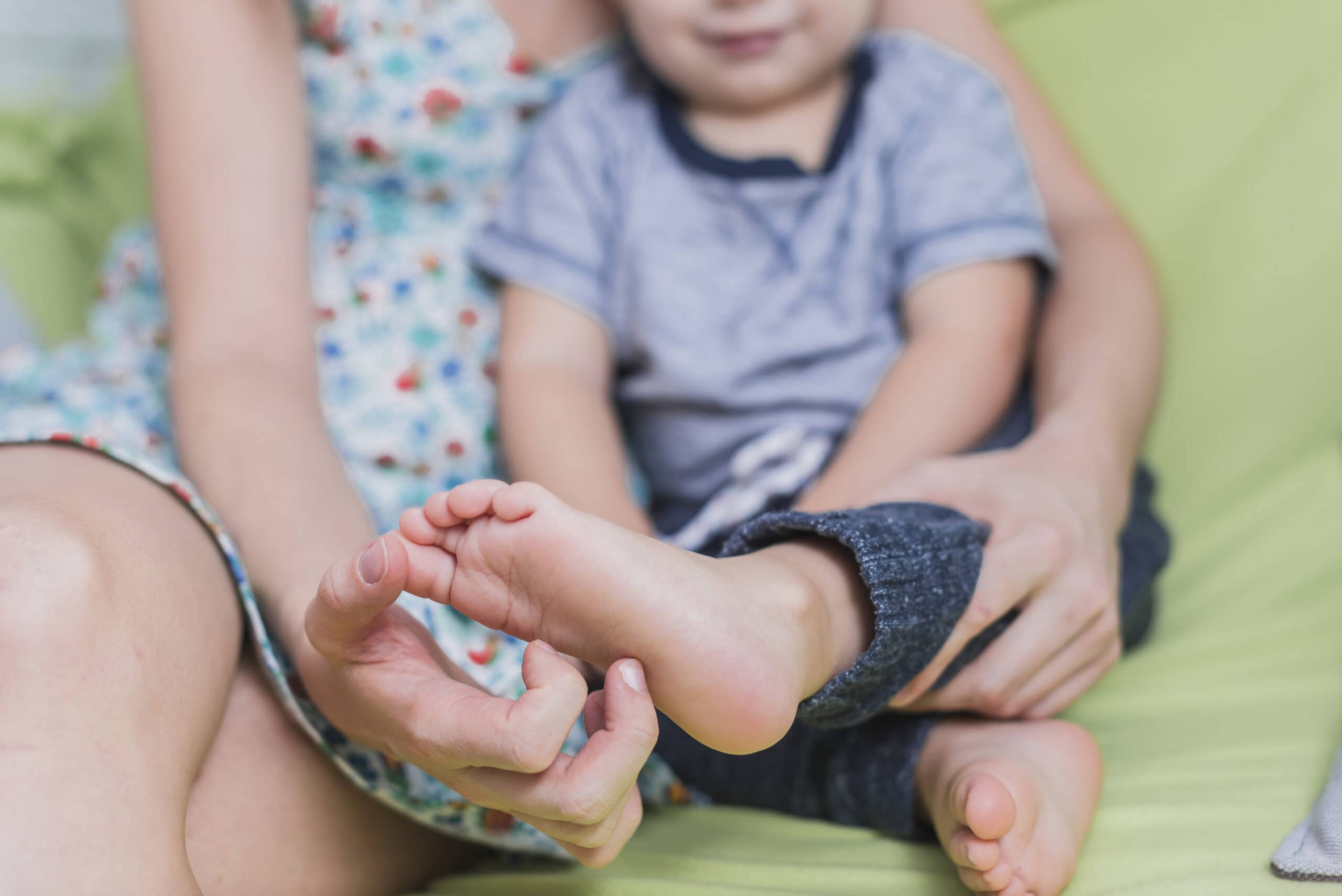
Sever’s disease is a very common problem seen by Podiatrists treating children. This is a common problem seen with both active boys and girls, especially when playing sports.
Sever’s disease, also known as calcaneal apophysitis, is a common cause of heel pain in growing children and adolescents, particularly those who are active in sports. It typically affects kids between the ages of 8 and 15, when their bones are still developing.
What Causes Sever’s Disease?
Sever’s disease occurs when the growth plate in the heel becomes inflamed. The growth plate is a soft area of developing cartilage tissue that is not yet fully hardened into bone. In active kids, repetitive stress on the heel bone, particularly during sports that involve running and jumping, can lead to inflammation and pain. This condition is more common during growth spurts when the bones, muscles, and tendons are growing at different rates.
Symptoms of Sever’s Disease
The most common symptom of Sever’s disease is heel pain, which can range from mild to severe. The pain usually worsens with physical activity, especially running, jumping, or standing for long periods. Kids might also experience:
- Swelling or redness in the heel
- Stiffness or tenderness in the heel, especially in the morning
- Difficulty walking or limping due to pain
- Pain when the sides of the heel are squeezed
Treatment and Management
The good news is that Sever’s disease is temporary and typically resolves on its own as the child’s bones mature. However, managing the symptoms is crucial to ensure the child remains active and pain-free.
Treatment options include:
- Rest: Reducing or modifying activities that cause pain, such as running or jumping, is essential to allow the heel to heal.
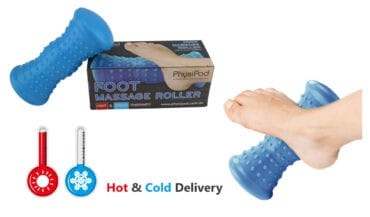
- Ice Therapy: Applying ice to the affected heel can help reduce pain and inflammation. Such as the PhysiPod Hot & Cold Foot Roller.

- Stretching Exercises: Stretching the calf muscles and Achilles tendon can help alleviate tension on the growth plate.
- Supportive Footwear: Wearing shoes with good arch support and a cushioned heel can reduce stress on the heel. In some cases, orthotics may be recommended.

Three Quarter Orthotic - Heel Pads: Using soft silicone heel pads or cushions can provide additional comfort and reduce impact during activities.


When to See a Podiatrist
If your child’s heel pain persists despite home treatment, or if the pain is severe enough to interfere with daily activities, it’s important to consult a podiatrist. They can provide a proper diagnosis and suggest additional treatment options if needed.
In most cases, children outgrow Sever’s disease without any long-term issues. Encouraging proper foot care and appropriate physical activity can help manage the condition and keep kids active and healthy.